Understanding What Drives the Cost of a Landscape Project
CATEGORIES
RECENT POSTS

What Drives the Cost of a Landscape Project?
No two landscape projects are the same, which is why pricing can vary so much from one property to another. Understanding what affects cost helps homeowners make better decisions and prioritize where to invest.
1. Site Conditions
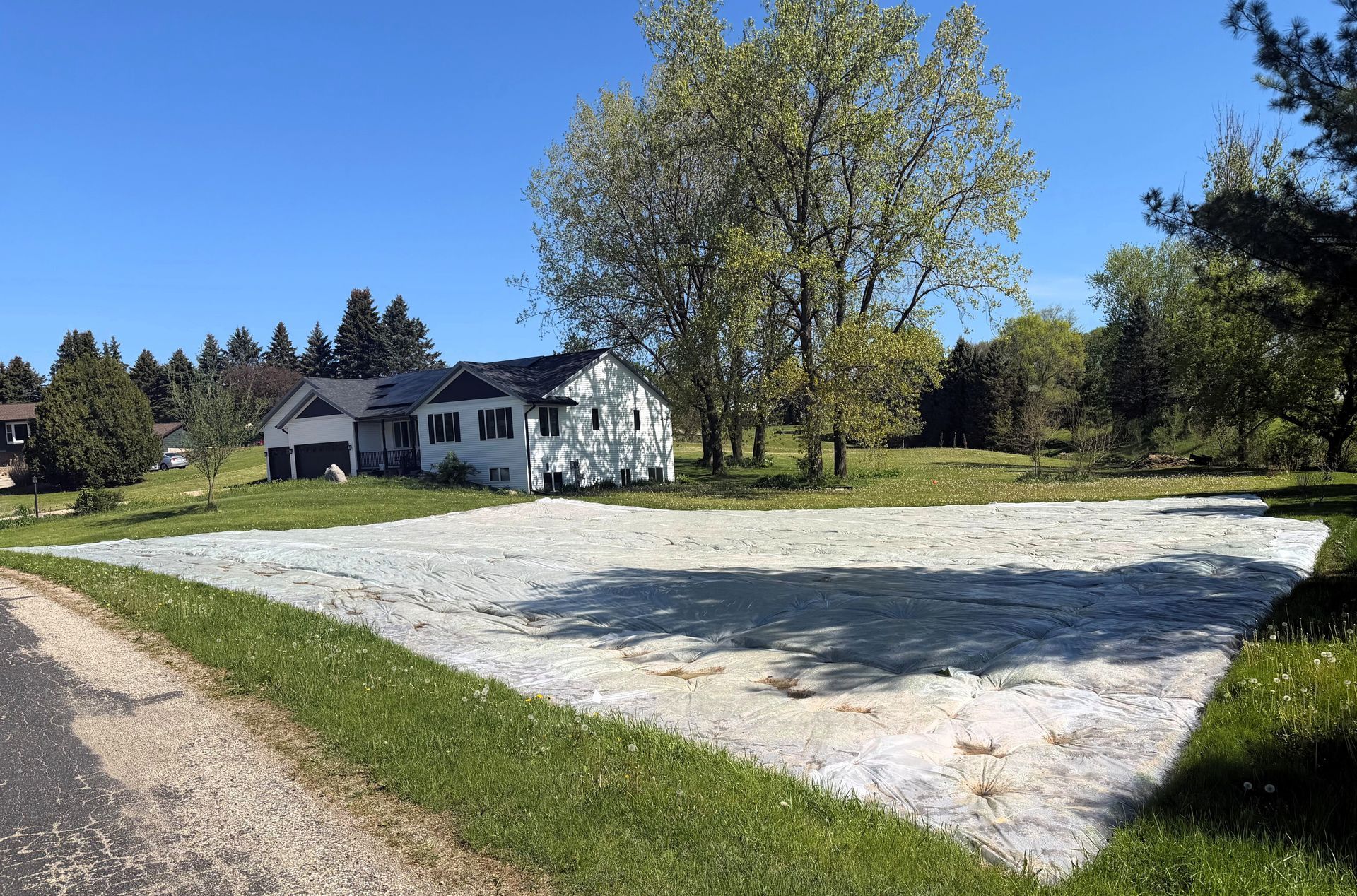
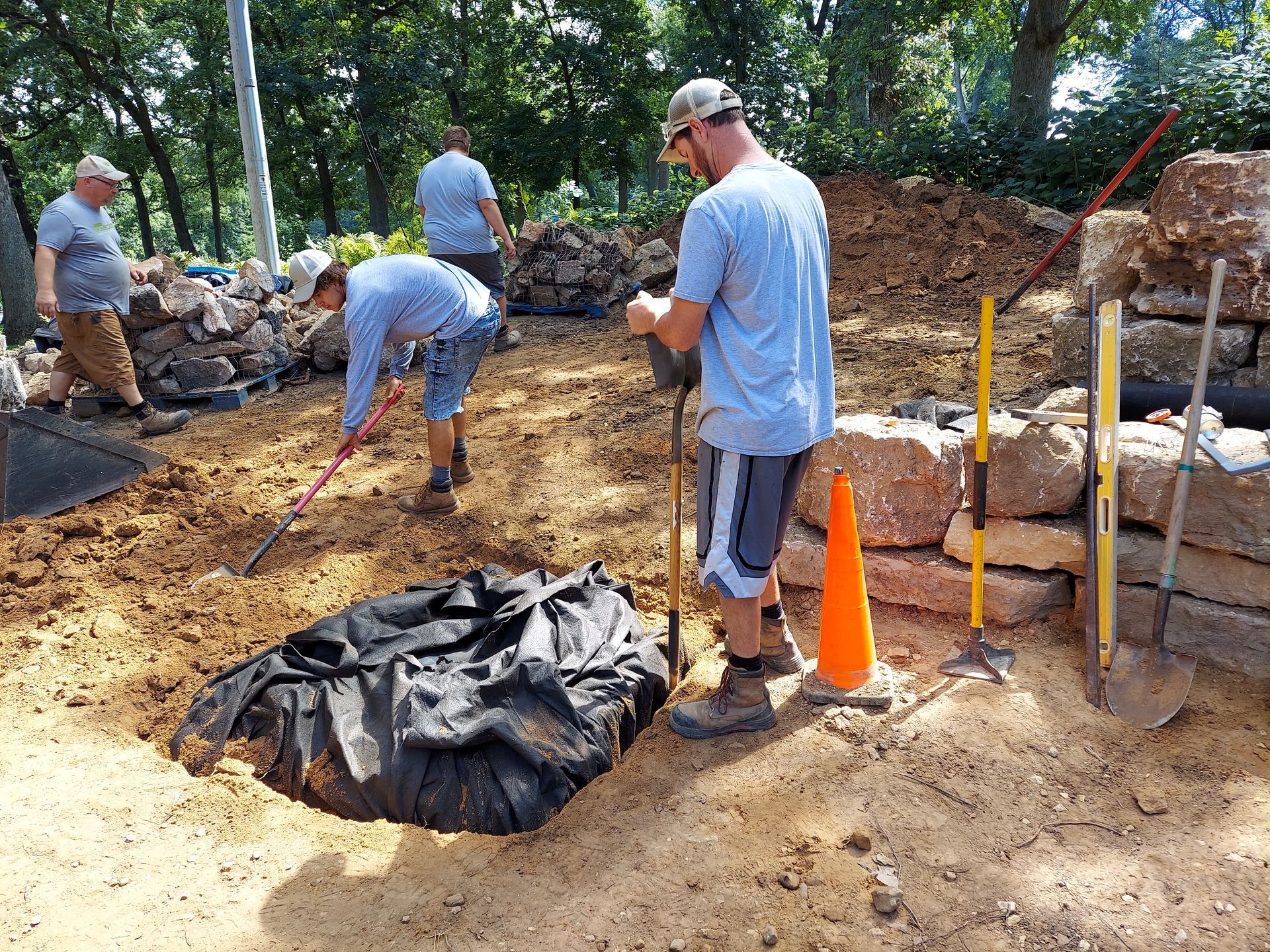
Your existing property plays a big role in cost. Slopes, drainage issues, heavy soils, limited access for equipment, or grading needs can all add labor and time.
2. Design Complexity (Design + Build Integration)
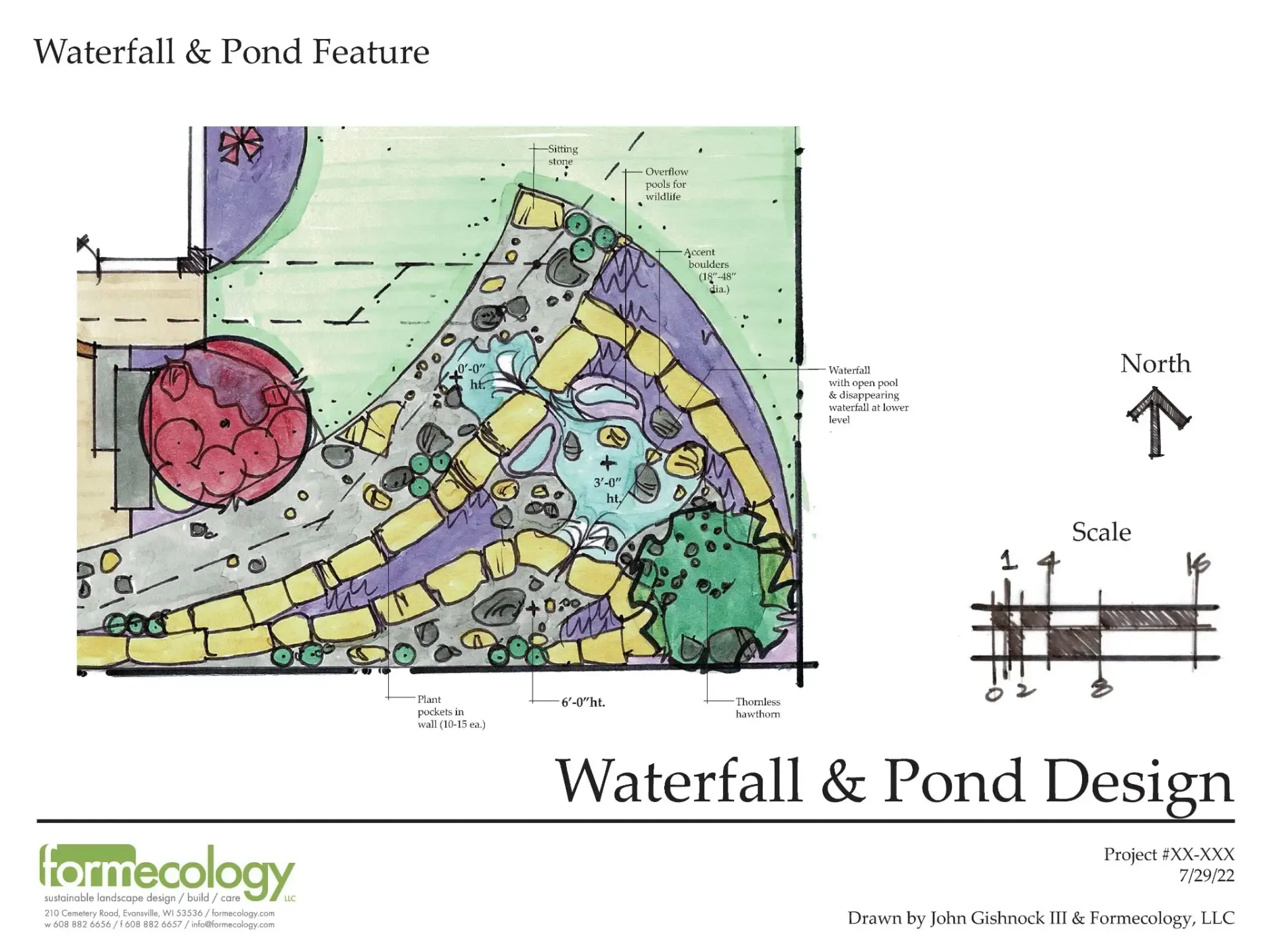
A simple patio and planting plan will cost far less than a multi-level outdoor living space with built-in lighting, seating walls, water features, and custom details. In a design/build approach, complexity goes beyond the layout—it also includes how each part is built, scheduled, and put together on-site.
Projects with multiple materials, level changes, and built features require more coordination between planning and installation, as well as more skilled work to bring everything together.
3. Materials Selected
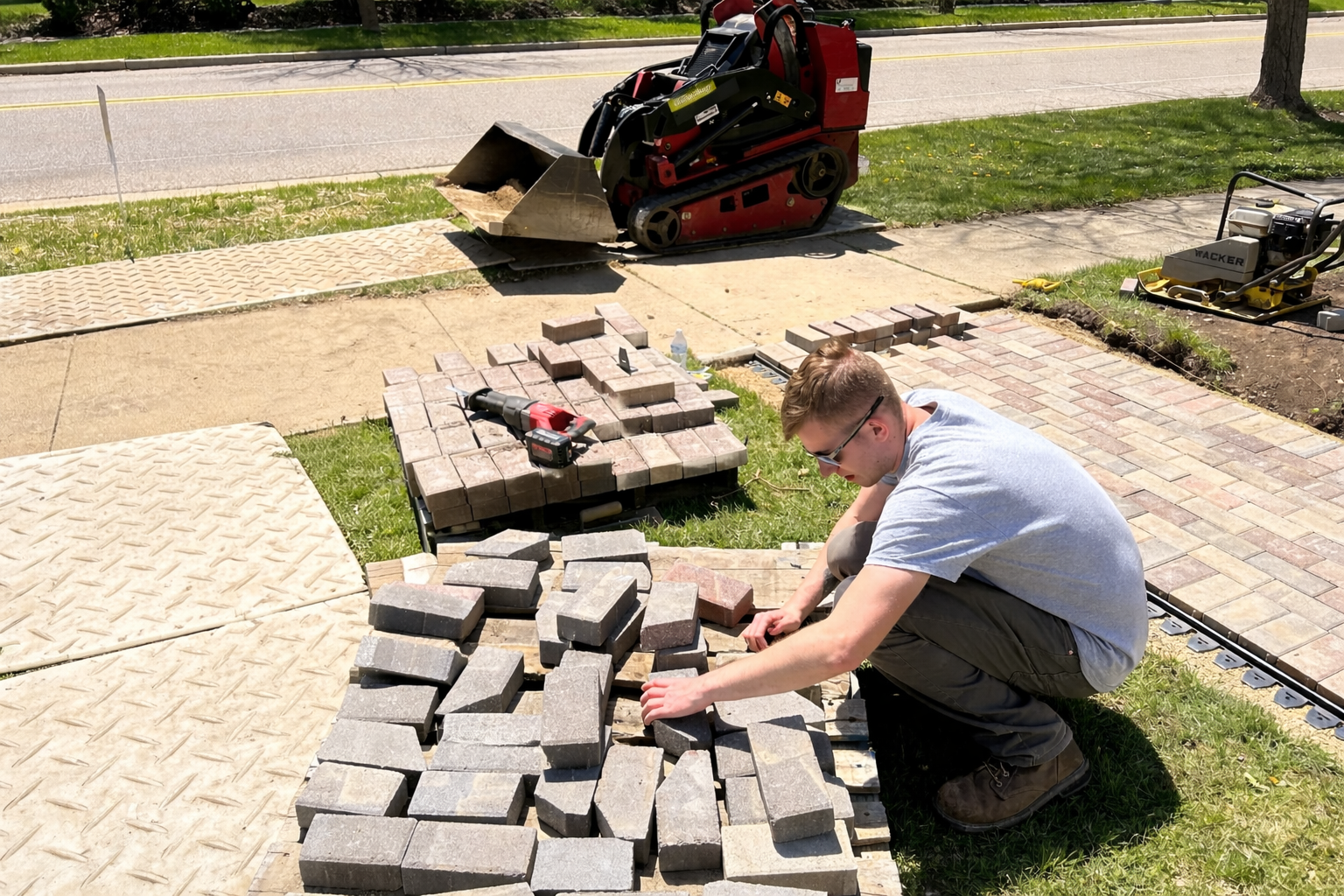
Materials do affect cost—natural stone, premium pavers, hardwoods, and custom features are typically more expensive than basic options. However, materials are only one part of the total picture.
Why “Just Swapping Materials” Isn’t Always Simple
One common misunderstanding is the idea that you can easily lower cost by swapping materials.
While that sounds simple, labor, jobsite logistics, and installation challenges often have a bigger impact on price than materials alone.
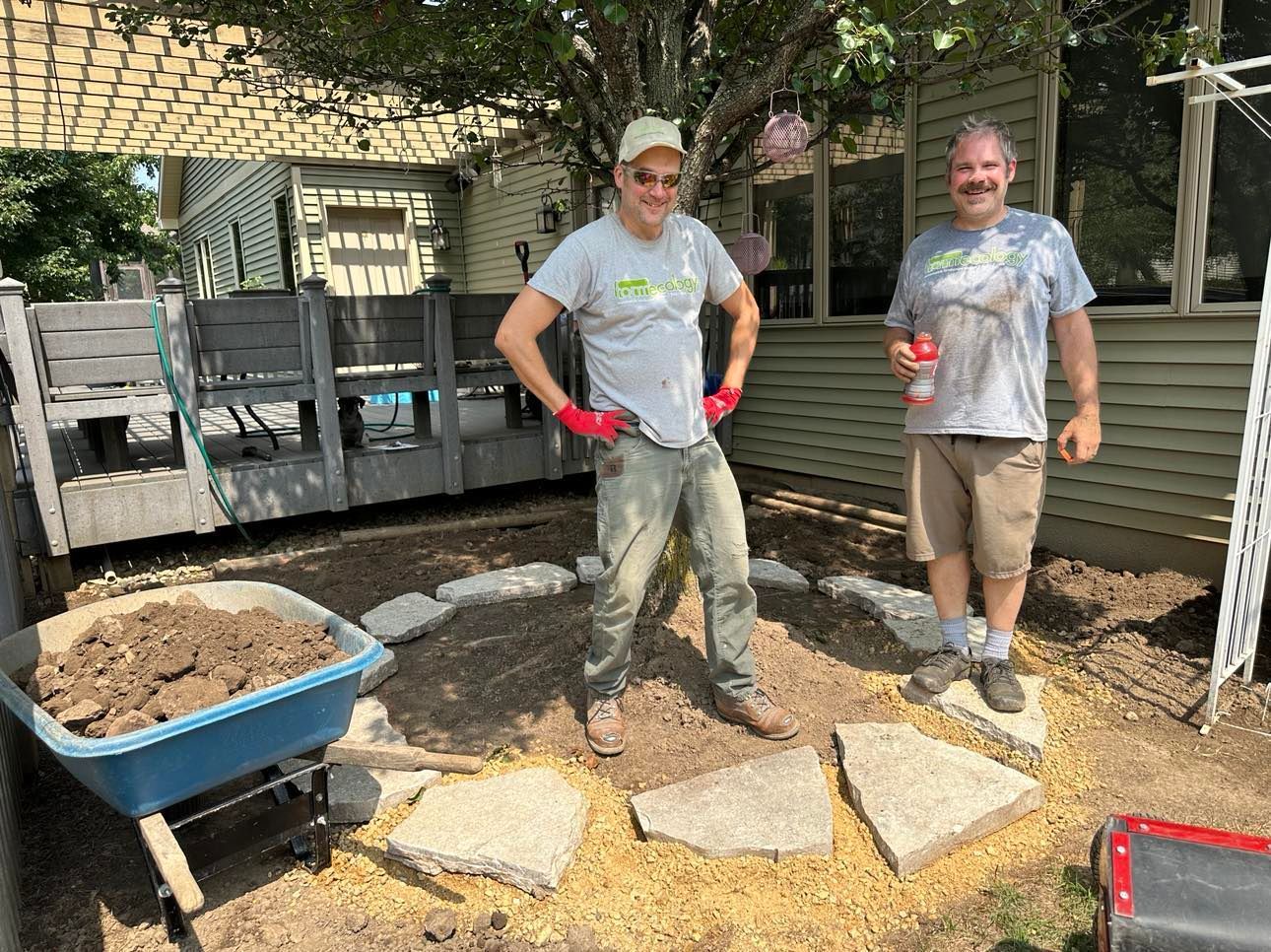
For example, something as "simple as" replacing mulch with cobblestone may still involve:
- Prep work and grading
- Removal and disposal of existing materials
- Tight access that requires hand work
- Multiple crew members over several days
- Equipment limits or hauling materials by wheelbarrow
In many cases, the time and skilled work needed stay very similar, even if the material changes.
4. Project Size
Larger projects naturally require more materials, labor, and time, which increases overall cost.
5. Custom Features
Custom-built elements like outdoor kitchens, fireplaces, pergolas, or built-in seating require more planning and skilled installation, which adds to the investment.
6. Access and Logistics
Not all job sites are easy to work on. Limited access may require smaller equipment, extra labor, or moving materials by hand, all of which affect time and cost.
Why Process Matters as Much as Materials
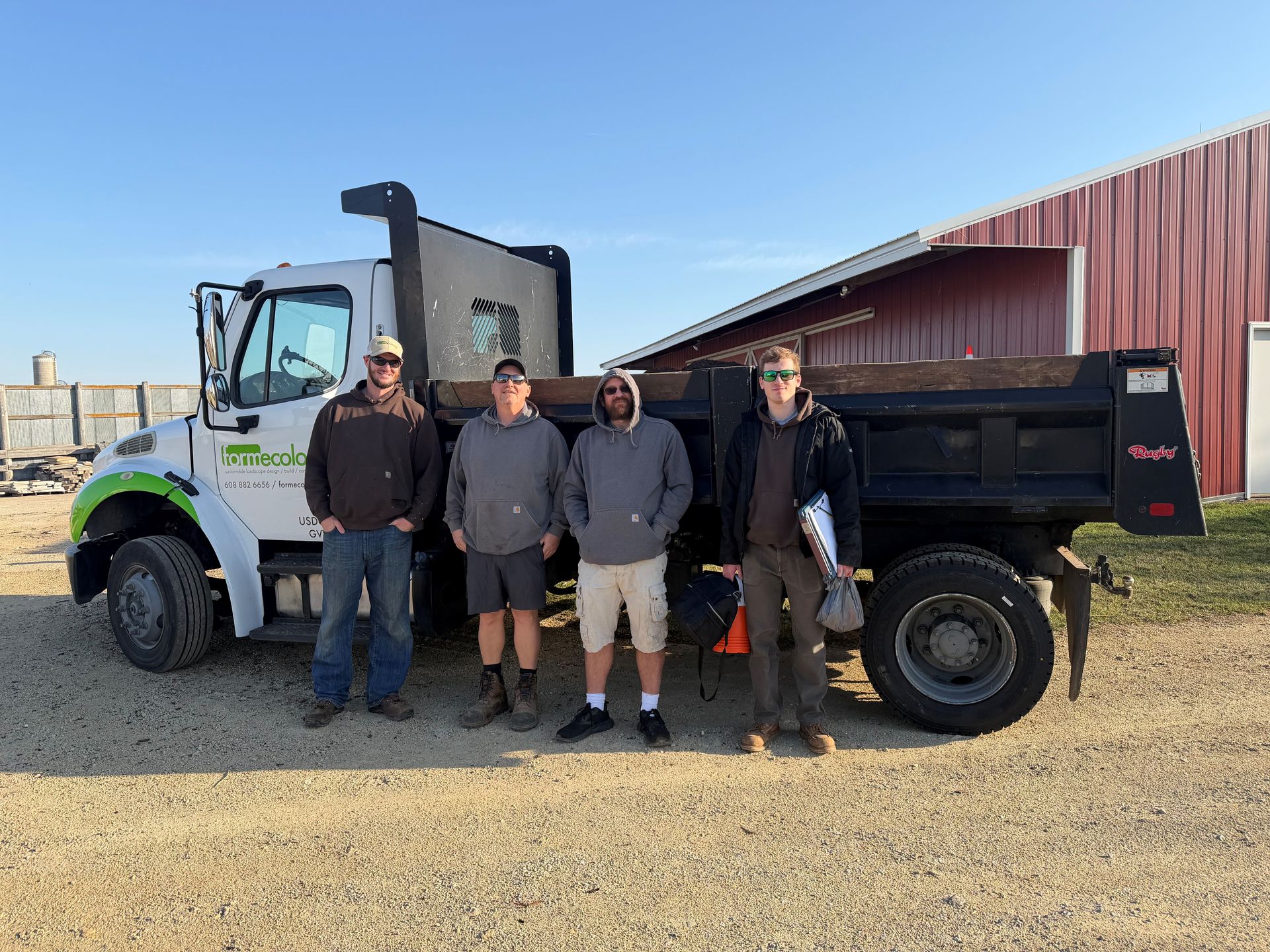
At formecology LLC, we use a combined design and build process. This means we think through how everything will be built, scheduled, and installed—not just how it looks on paper.
This includes:
- Crew size and coordination
- Equipment access and site logistics
- Drainage and structural work
- Order of installation
These details aren’t always visible, but they play a major role in both cost and long-term success.
Not All Landscape Projects Are the Same
Some companies focus on basic installation or simple upgrades, while others specialize in more detailed, custom outdoor spaces built through a full design/build process.
At formecology LLC, our focus is on well-planned, well-built outdoor environments that feel like a natural extension of your home. That level of planning and craftsmanship takes more investment—but it also leads to a smoother process and better long-term results.
__________________________________________________________________________________________
A well-planned design/build process helps avoid surprises, reduces costly changes, and ensures your investment is used wisely. It’s not just about building a beautiful space—it’s about building it the right way from the start.
If you’re considering a project, we’re happy to talk through what’s possible for your space.